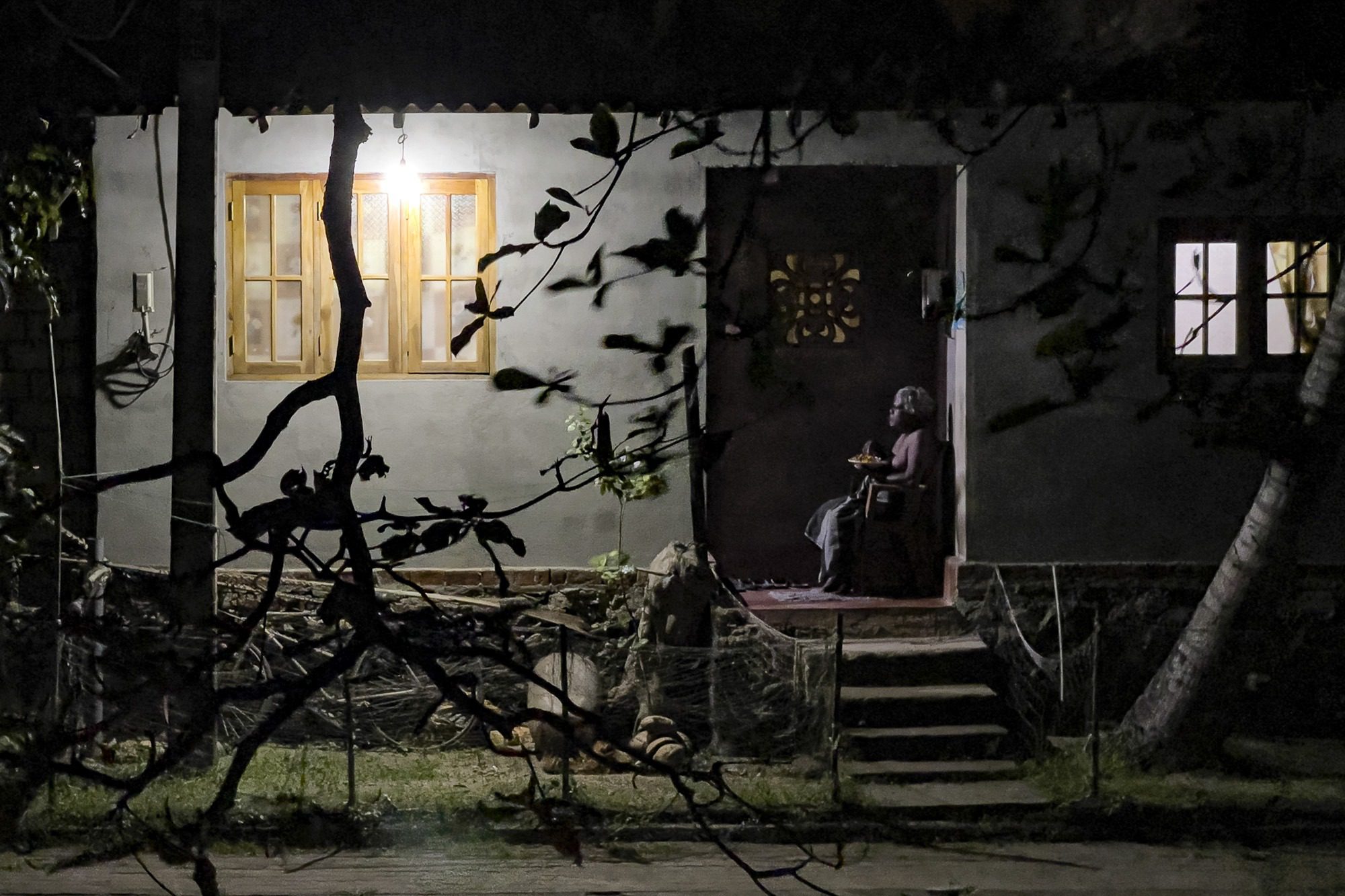
Negombo was shaped by fishing and faith, with tourism and hospitality the new focus
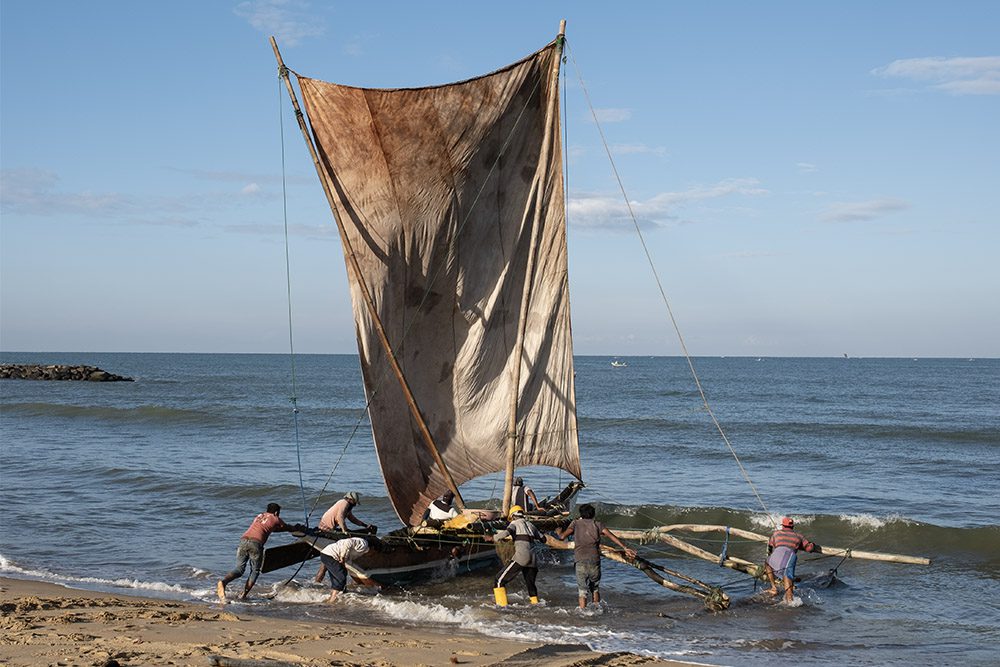
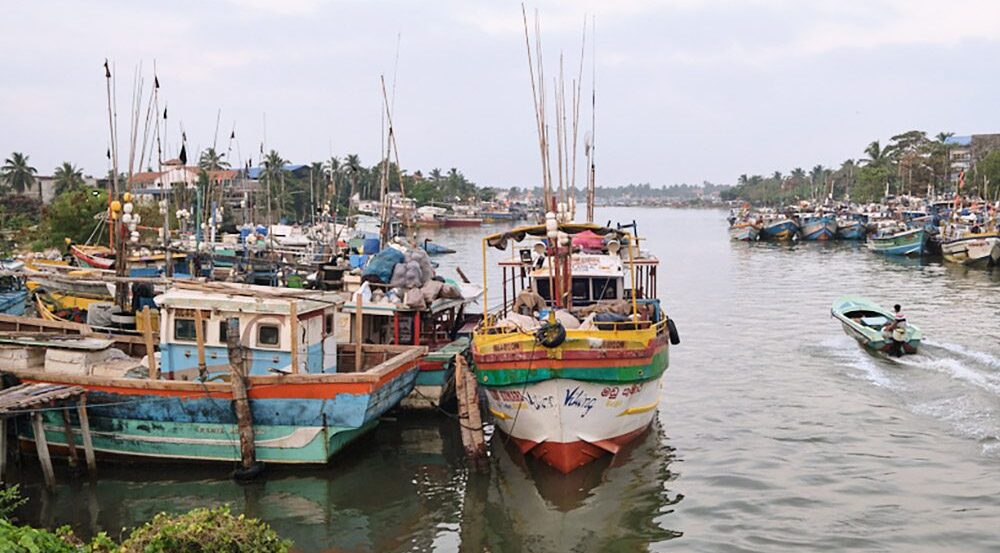
Negombo’s story is a story of water. Long before it became one of Sri Lanka’s most recognisable tourist destinations, the town grew around its lagoon—a vast, shallow estuary that nourished generations of fishing families.
Even today, the early-morning sight of the fishing fleet heading out to sea at first light, or returning to the bustling fish market with the catch, is a window into a much older Negombo.
A gateway
But for centuries, the lagoon was more than a source of livelihood. It was a gateway.
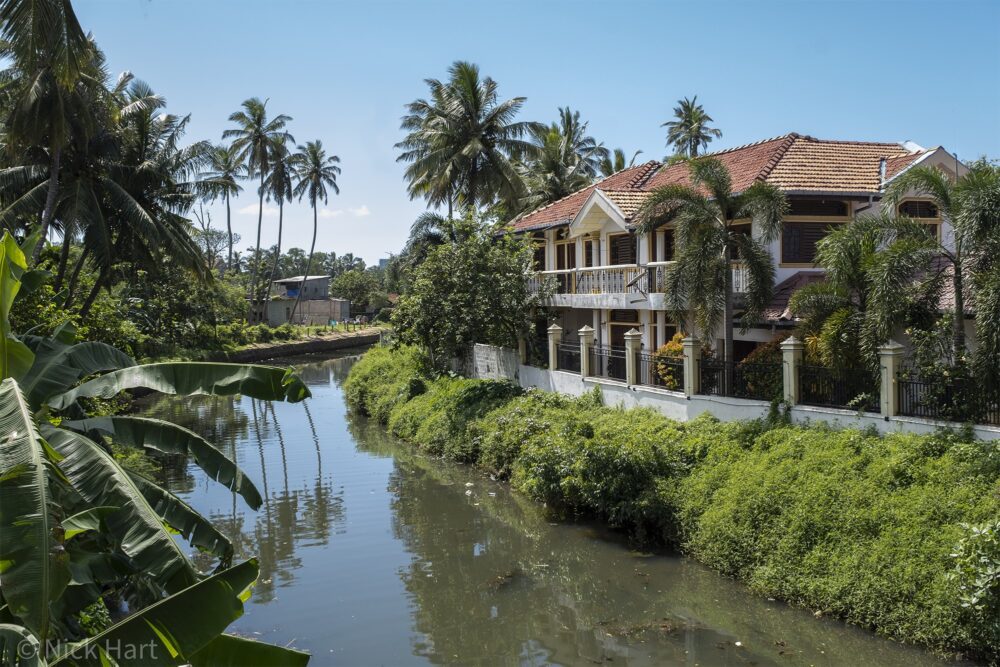
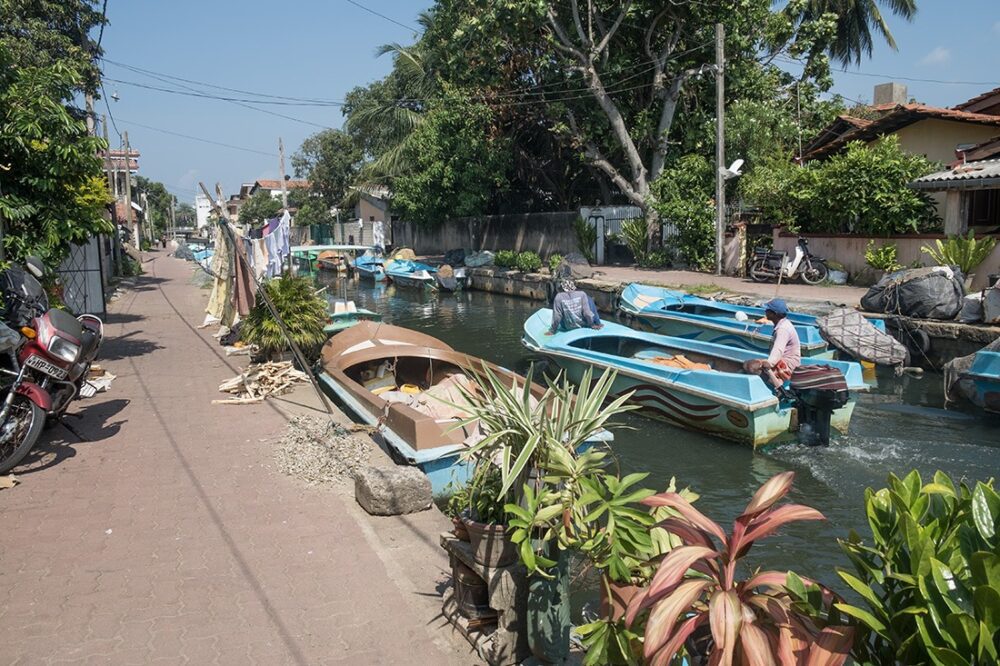
The Dutch, recognising its strategic value, built the Canal, which runs through the heart of Negombo. Part of a wider network linking Colombo and the west coast, it turned the town into a hub for cinnamon, spices, and goods moving inland.
Many stretches of this canal system still run quietly past villages, coconut groves, and old colonial structures, reminders of an era when water transport powered the island’s coastal economy.
The Catholic Church
Negombo’s character was further shaped by another powerful influence: the Catholic Church. The Portuguese, who arrived in the 1500s, introduced the faith and converted much of the local population.
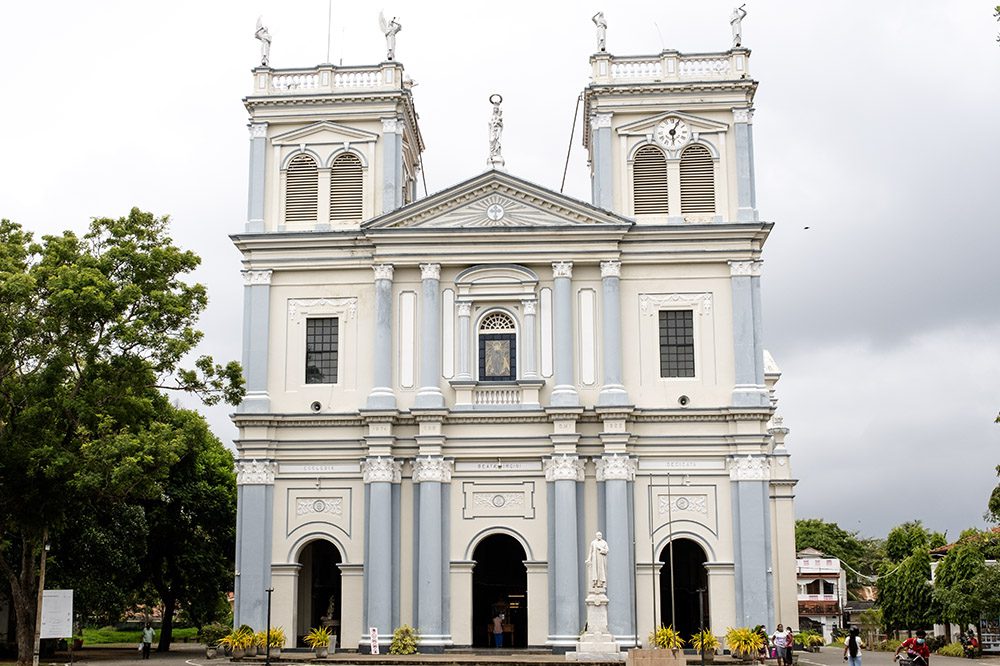
As a result, Negombo is often called Little Rome, a name earned by its many Catholic churches, from the grand St. Mary’s (pictured below) to smaller parish chapels that dot neighbourhoods throughout the town.
These buildings, with their pastel facades and ornate interiors, lend a distinct charm to Negombo’s cultural landscape.
Which is also reflected in the most common surnames, which were adopted from the Portuguese: Fernando, Perera, Silva or de Silva, Mendis, de Fonseka, Costa or de Costa, Gomes, Rodrigo, and Croos or de Croos.
The Town
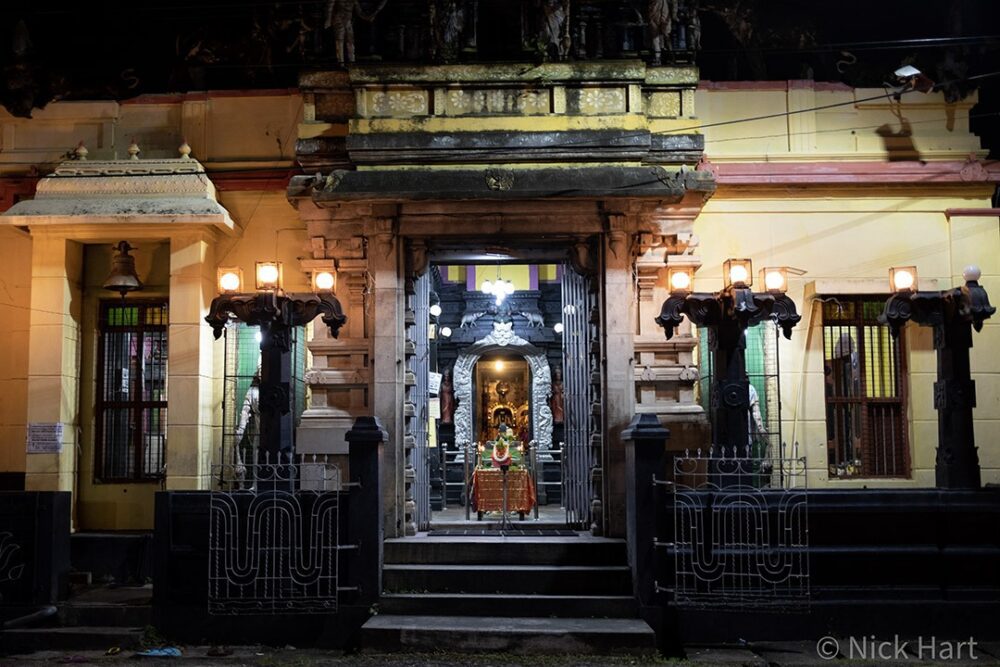
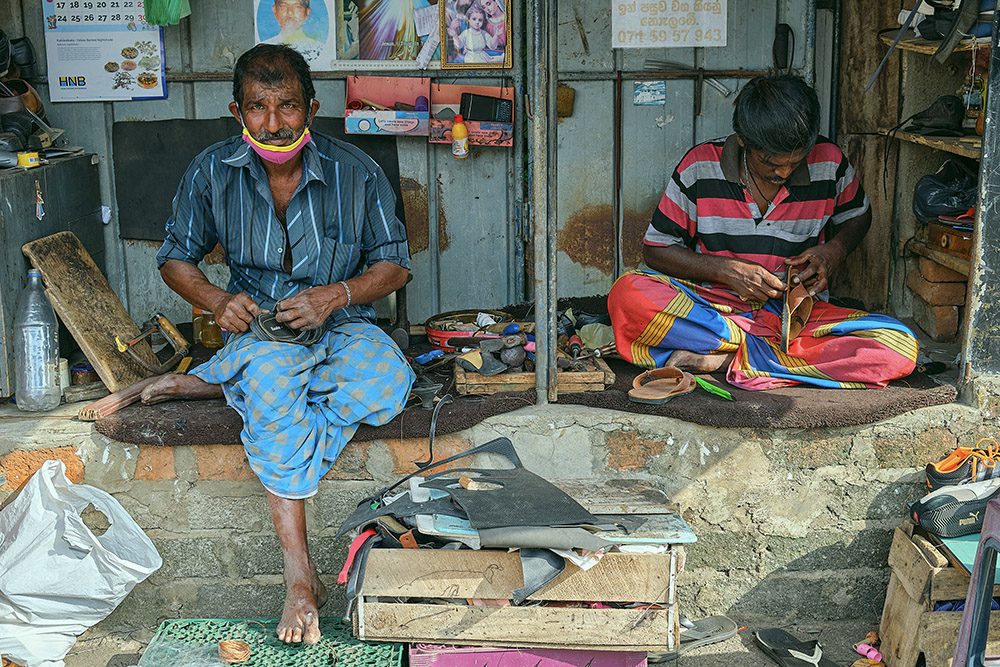
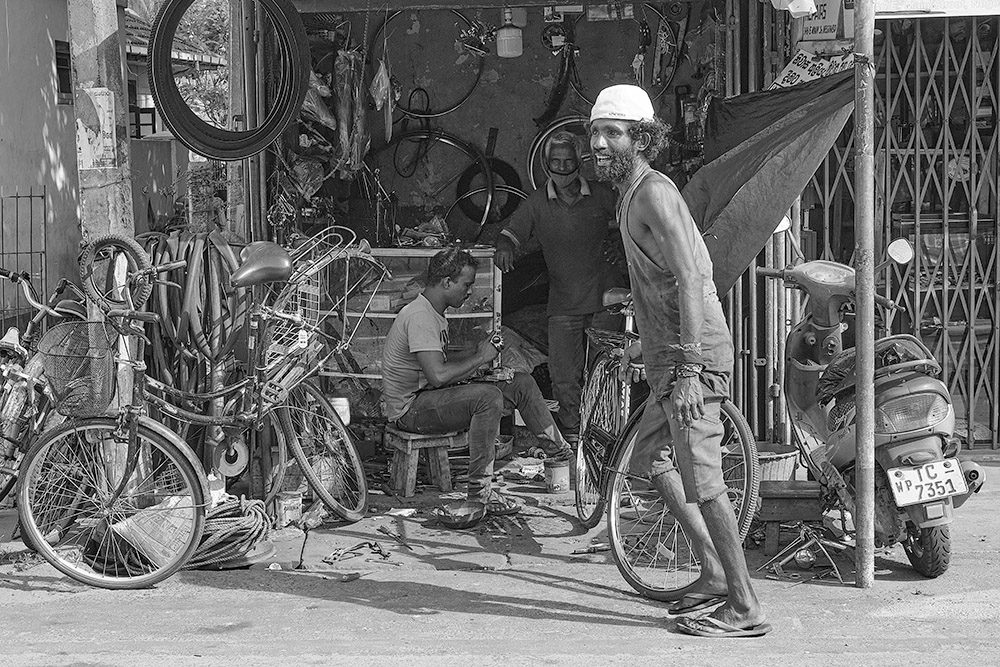
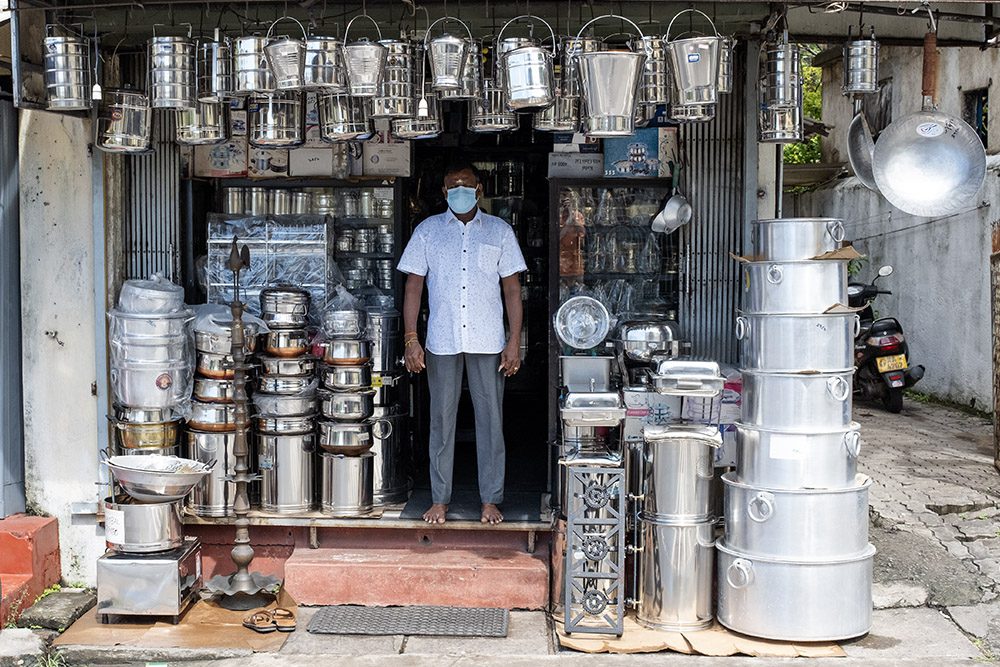
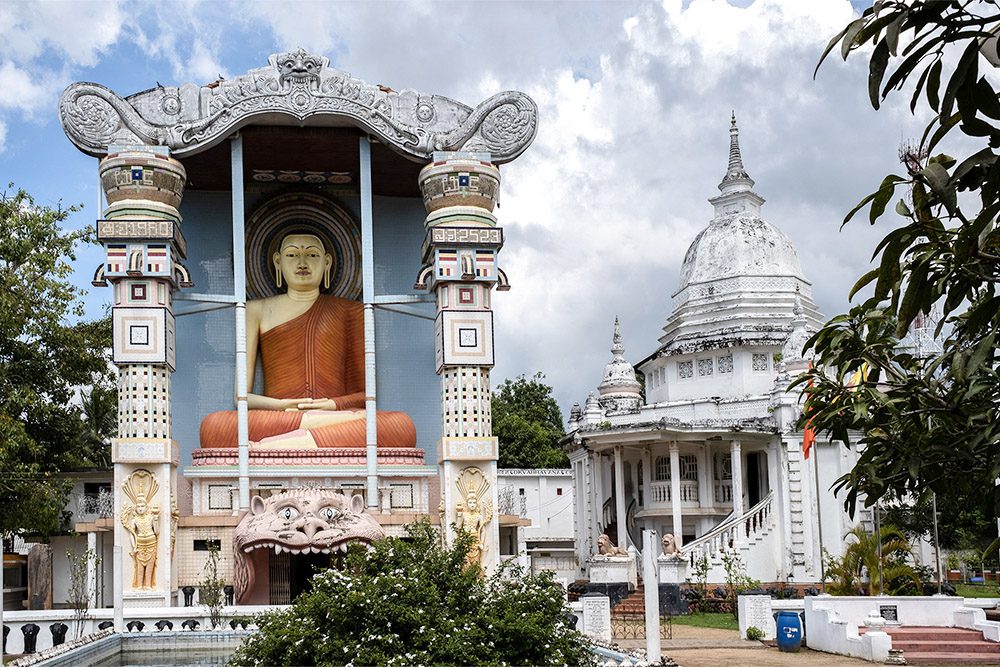
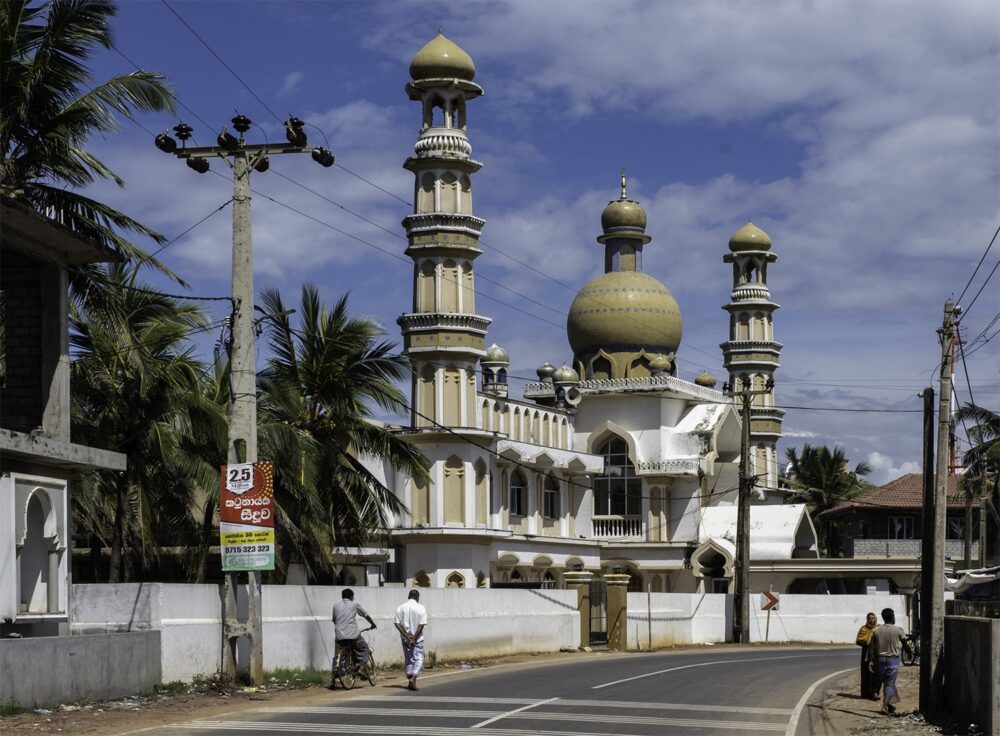
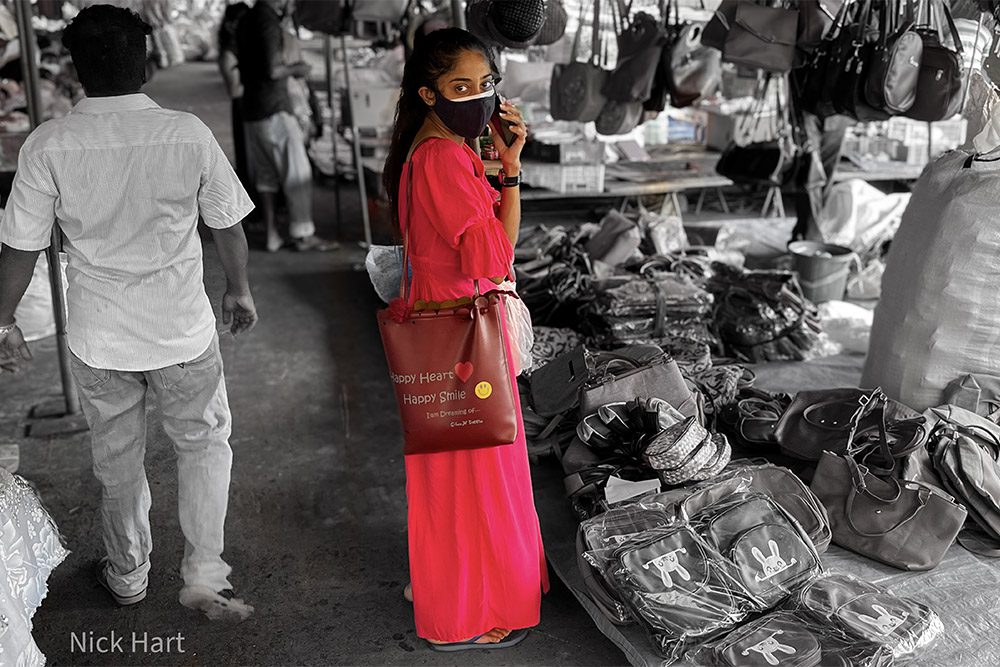
Negombo town is a thriving metropolis with many places worth visiting and sights worth seeing. The beaches, the street markets, the Buddhist and Hindu temples and shrines, the canal, the lagoon, the fishing quarter.
Even the bus terminal, from where you can begin your journey to just about anywhere on the island, is worth a visit, while a wander down busy Main Street is worth an hour or so of anyone’s time.
Tourism
Meanwhile, in the late 20th century, tourism began to transform the town once again. Its long beach, proximity to the airport, and easy-going cosmopolitan outlook attracts travellers looking for a soft landing in Sri Lanka.
And the hundreds of hotels, guesthouses, and restaurants that emerged along the shore and hinterland have over time reshaped the town and greatly uplifted its economy, as it has for Sri Lanka generally.
But despite these changes, Negombo remains anchored to the rhythms of its past—a place where water, faith, and fishing continue to define its spirit.