Negombo Lagoon has a long history of trade, fishing and ecotourism
The history of Negombo Lagoon is a narrative of trade, colonial influence, a resilient coastal culture, and modern ecotourism.
Located on Sri Lanka’s west coast 35km north of the capital Colombo, this extensive estuary has evolved from an ancient spice port into one of the island’s most vital economic and ecological hubs.
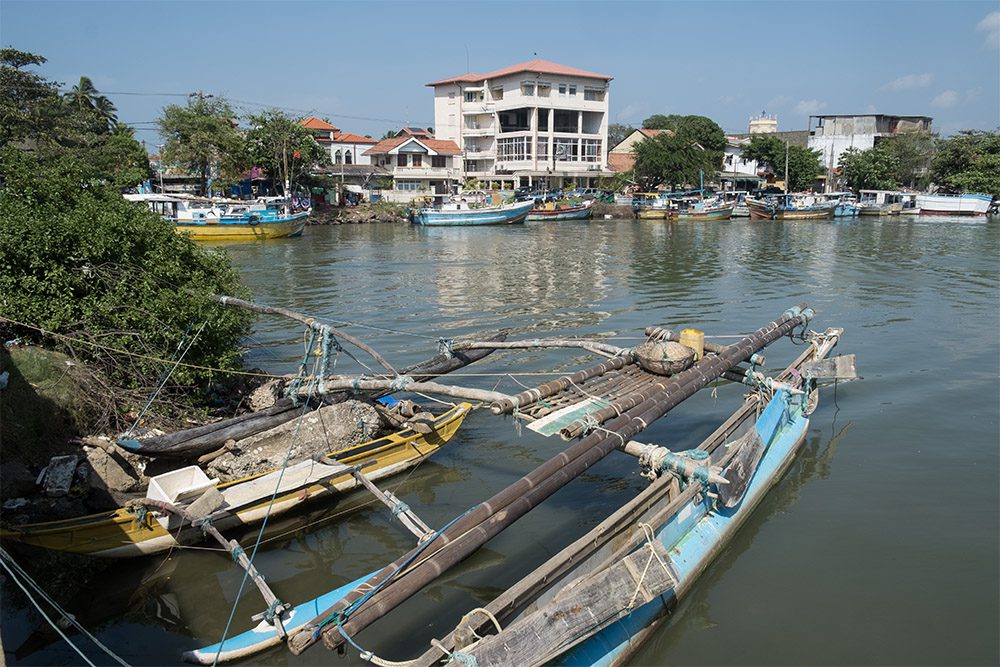
For previous centuries it provided an anchorage for trading vessels, and a nursery for fish, crabs and prawns, which generations of Negombo families have harvested using outrigger canoes, catamarans and hand-cast nets.
Fish market
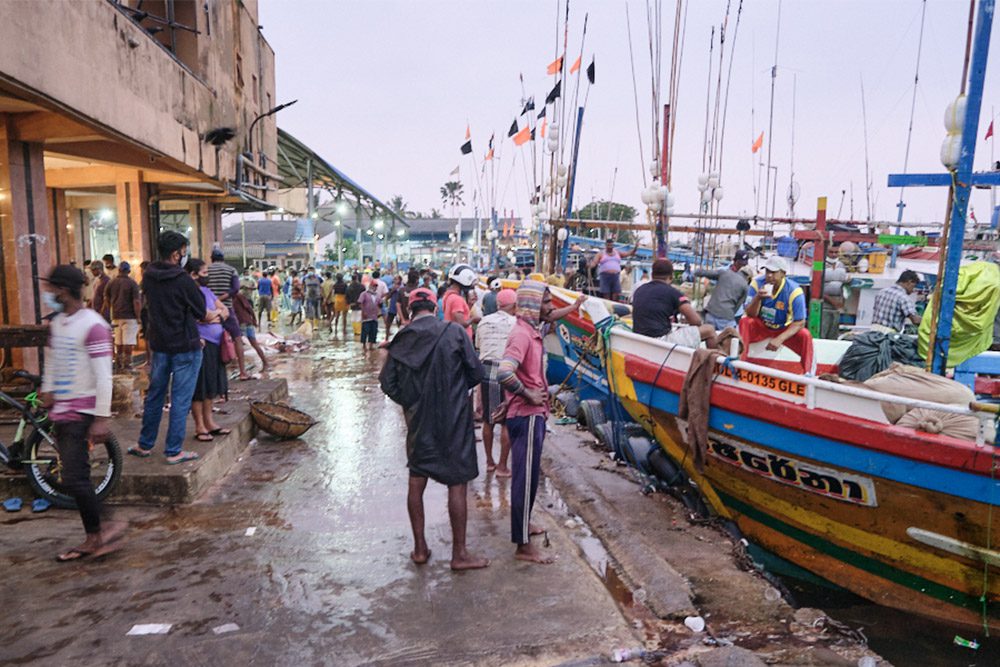
The Negombo fish market and the cluster of jetties at the lagoon mouth grew up around the fishing economy, turning the town into one of the west coast’s principal fishing hubs.
Long before the colonial Portuguese, then Dutch, then British arrived, the lagoon served as a shelter for Arab vessels trading in ‘Negombo cinnamon,’ widely considered the world’s finest.
Then in the 17th century, the Dutch transformed the lagoon’s geography by constructing an extensive canal system—today known as the Hamilton Canal—to transport spices and timber to Colombo.
Biodiversity
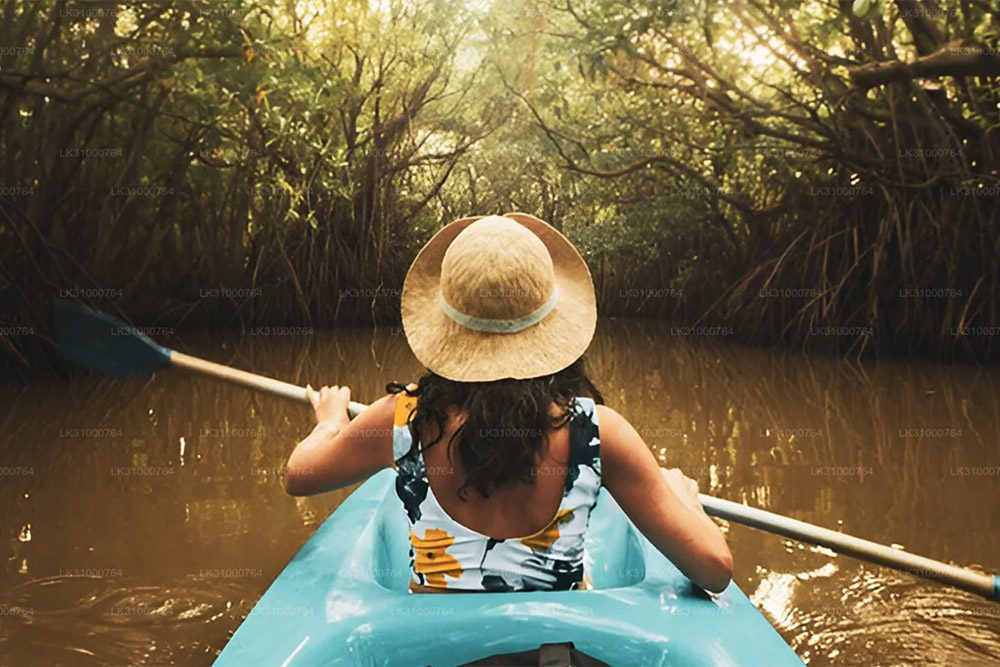
Fed by small rivers, the lagoon forms a shallow estuary fringed by mangroves, rice paddies and coconut groves—a productive, biodiverse strip where sea and land meet.
In the modern era, Negombo’s close proximity to the international airport also makes it a gateway for travelers arriving in Sri Lanka.
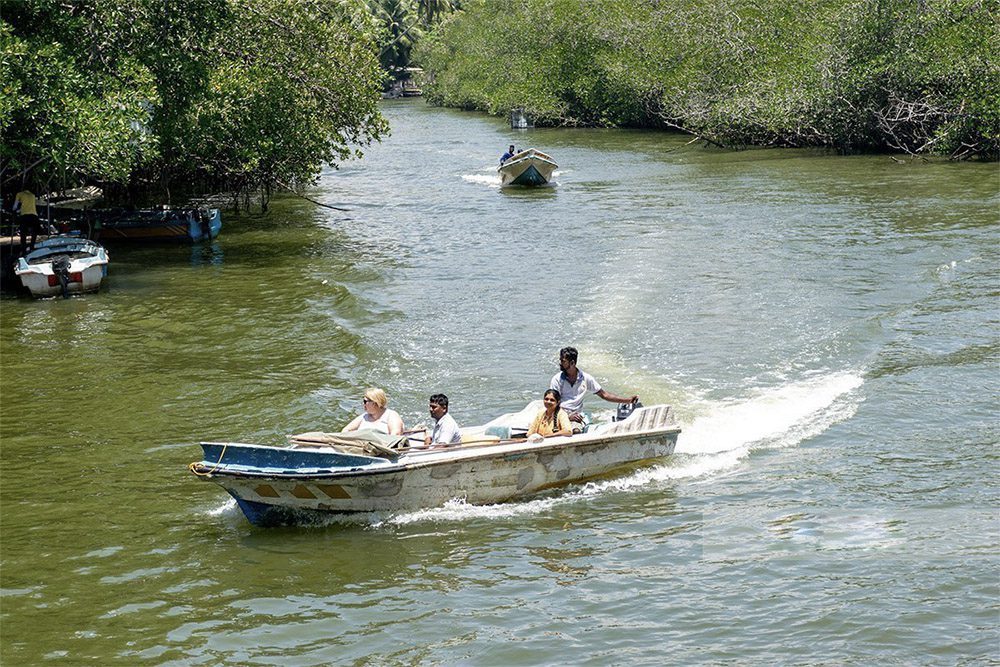
Visitors flock to the lagoon for boat safaris through the Muthurajawela Marsh, a protected wetland at the lagoon’s southern end.
A warning…
Meanwhile, disruption of the lagoon’s ancient rhythms over time have had long-term effects on fisheries and the neighbouring Muthurajawela wetlands.
Thus, conservationists warn that modern developments and their effects threaten the mangroves and fish stocks, making sustainable tourism and fisheries management more important than ever.
Today, the Negombo lagoon is both a livelihood and a tourist attraction—a watery archive of trade, colonial canals, traditional craft, and the evolving tension between making a living and welcoming the world.