

Ethical plant-based tourism could be Sri Lanka’s ‘next big thing’!
Plant-based tourism could be Sri Lanka’s overlooked growth opportunity, according to Andrea Diaz, an American evangelist for ‘ethical eating’.
As executive director of *Dharma Voices for Animals (DVA), she is known for ‘integrating Buddhist ethical principles with programmes that promote veganism and compassion’.
This foodie philosophy already aligns with Sri Lanka’s cultural and culinary DNA. Traditional rice-and-curry meals—rich in lentils, vegetables, coconut, and spices—are often naturally vegetarian or easily adapted.
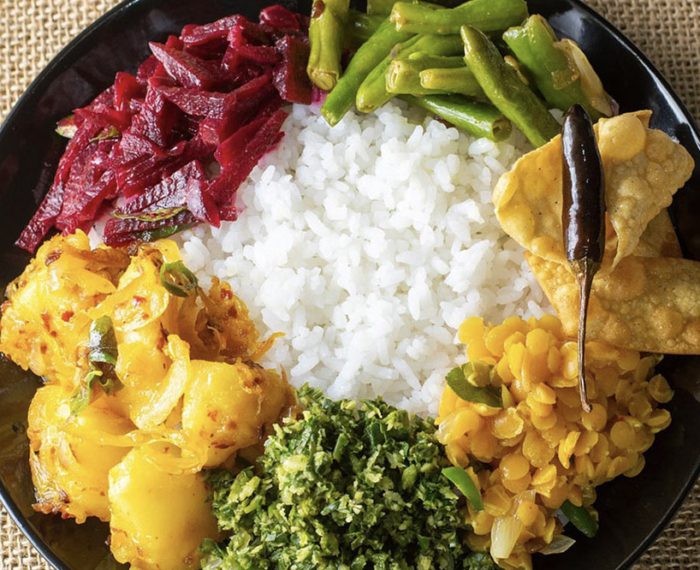
This gives the country an advantage over destinations that must create vegetarian and vegan-friendly ecosystems from scratch. Rather than importing trends, Sri Lanka can simply reframe what it already does well.
There is also a compelling philosophical dimension. Rooted in a long-standing Theravada Buddhism heritage, concepts such as compassion and non-harming provide a coherent narrative for ethical travel.
Diaz argues that these values can be translated into a modern tourism identity—positioning Sri Lanka not just as a destination, but as a lifestyle experience grounded in sustainability and mindfulness.
Global demand
Crucially, global demand is shifting in this direction. Travellers from Europe, North America, and Australia increasingly seek destinations that cater to vegan and vegetarian lifestyles, with clear menu labelling and ethical sourcing.
These visitors tend to be higher-spending and more values-driven, often favouring longer stays and repeat travel when their needs are met.
The economic implications are significant. A coordinated approach—introducing plant-based certifications, promoting vegan-friendly hospitality, and integrating culinary storytelling into marketing—could differentiate Sri Lanka in a crowded tropical market.
It would also support local agriculture, particularly small-scale producers of rice, pulses, vegetables, and spices.
Sri Lanka is working to capitalise on other niche markets such as ecotourism, so plant-based tourism offers an opportunity for something authentic, environmentally aligned, and commercially viable.
*Dharma Voices
DVA was founded to bring the first-precept principle of non-harming into contemporary Buddhist practice.
Under Diaz’s leadership, the organisation has expanded programmes in the United States, Sri Lanka, and Vietnam, supporting retreats, talks, and vegan initiatives that align animal welfare with spiritual development.
Mindfulness
Diaz’s tenure emphasises collaborative activism rooted in mindfulness. She frequently works with monastics, lay practitioners, and global animal-advocacy networks to encourage systemic change toward plant-based living.
Her role positions her at the intersection of ethical leadership and faith-based sustainability, reflecting a growing movement for compassion-centred social action within Buddhism.