The Kandy Esala Perahera: why ‘before and after’ travellers choose to stay in Negombo!
Many visitors to Sri Lanka plan their arrival to coincide with the Kandy Esala Perahera. Held every August, it is one of Asia’s most spectacular cultural and religious festivals.
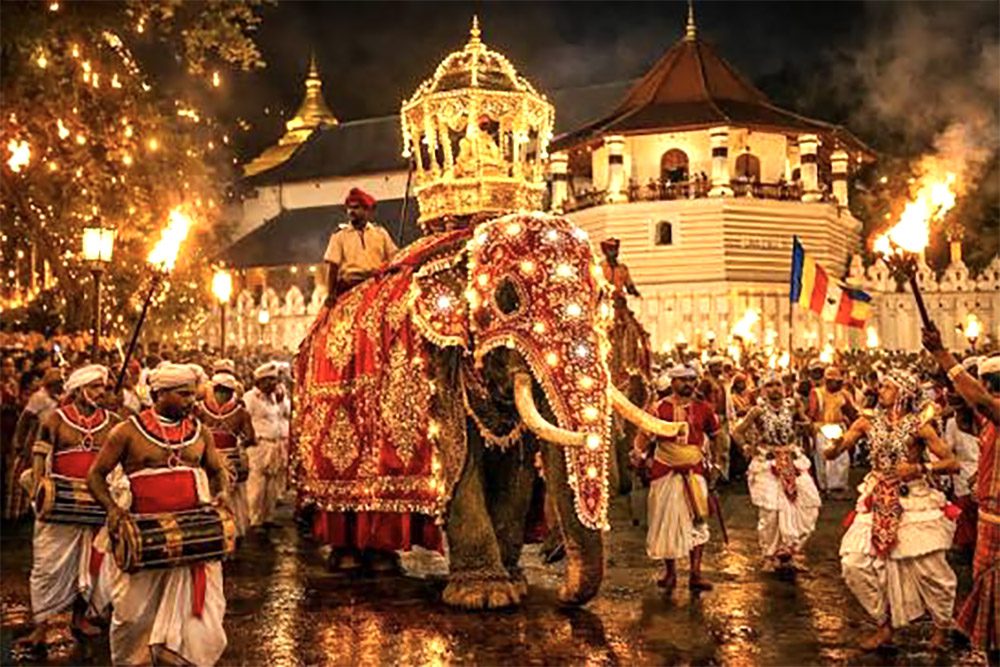
A breathtaking procession of elegantly adorned elephants, traditional dancers, drummers, whip crackers and fire breathers—it is both a profound act of Buddhist devotion and one of the world’s great cultural celebrations.
More to the point, just about every overseas traveller arrives and departs through Bandaranaike International Airport, just outside Negombo.
That makes this west-coast beach resort the smart ‘before and after’ stay—a welcome respite before heading into the Kandy hill country, and again on the way home.
Rather than rushing straight from a long-haul flight to the hills, or a stressful journey back to the airport after the festival, spending one or two ‘bookend’ nights in Negombo can make the entire holiday much more relaxing and enjoyable!
What is the Esala Perahera?
The Esala Perahera is held annually in Kandy in honour of the Sacred Tooth Relic of the Buddha, housed in the historic Temple of the Tooth (Sri Dalada Maligawa).
The relic has long been regarded as one of Buddhism’s most revered treasures and, historically, possession of it symbolised the legitimacy of Sri Lanka’s kings.
Although today’s procession is most closely associated with Buddhism, it also incorporates ancient traditions honouring four guardian deities—Natha, Vishnu, Kataragama and Pattini—reflecting Sri Lanka’s rich religious and cultural heritage.
The modern festival is the result of centuries of evolution, blending royal ceremony, religious devotion and traditional Kandyan arts into one unforgettable event. Today it attracts tens of thousands of local devotees alongside visitors from around the world.
What can visitors expect?
The Perahera is unlike any ordinary parade.
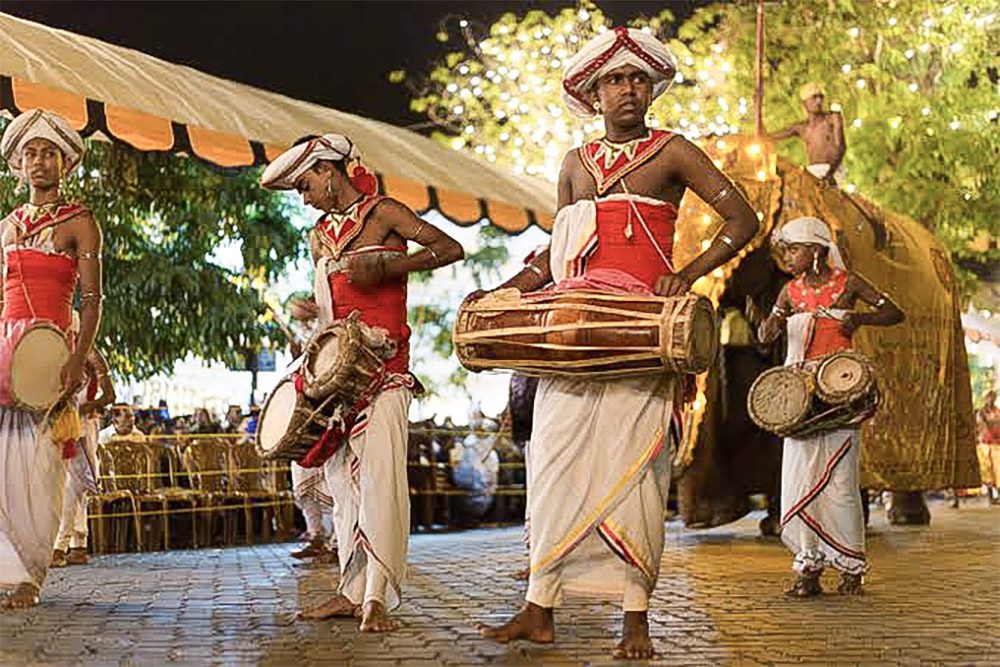
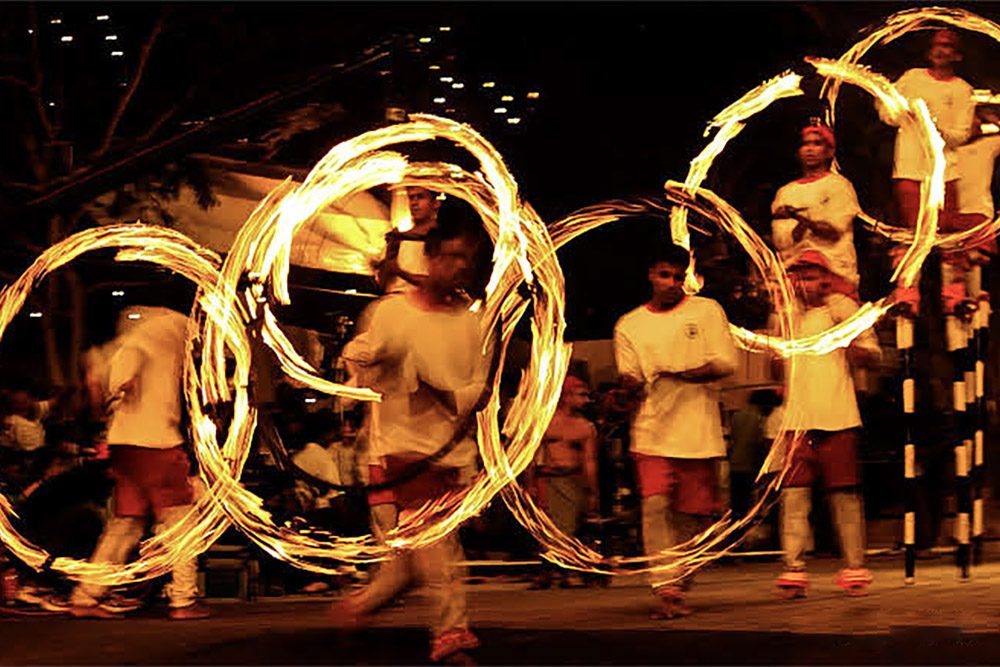
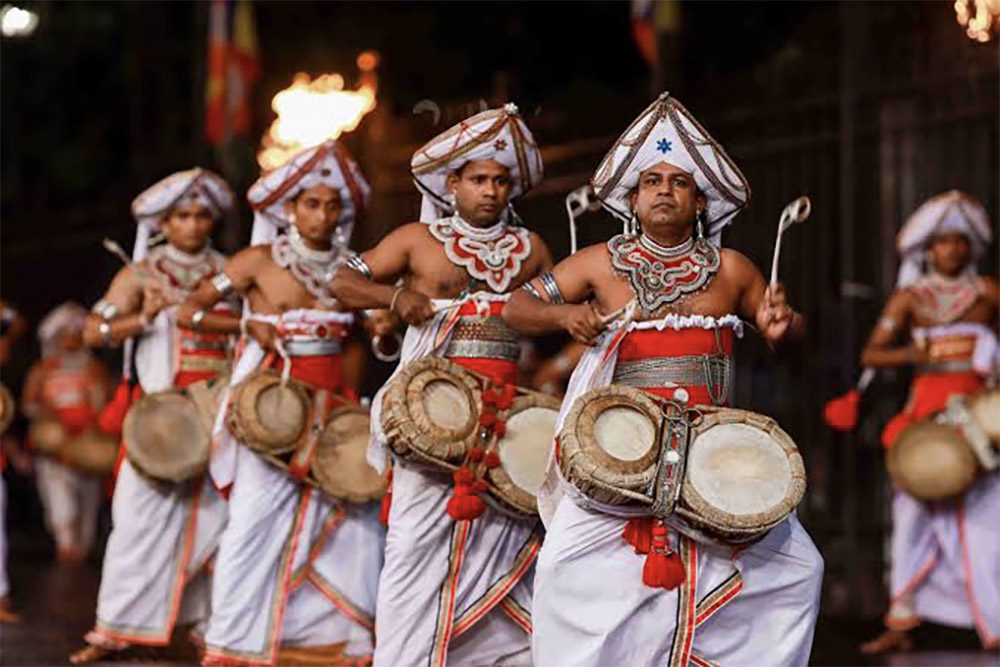
As darkness falls, the streets fill with rhythmic drumming that echoes across the city. Torch bearers illuminate the route while whip crackers announce the approaching procession.
Visitors can expect to see:
- Traditional Kandyan dancers
- Fire dancers and acrobats
- Hundreds of drummers and musicians
- Flag bearers representing ancient provinces
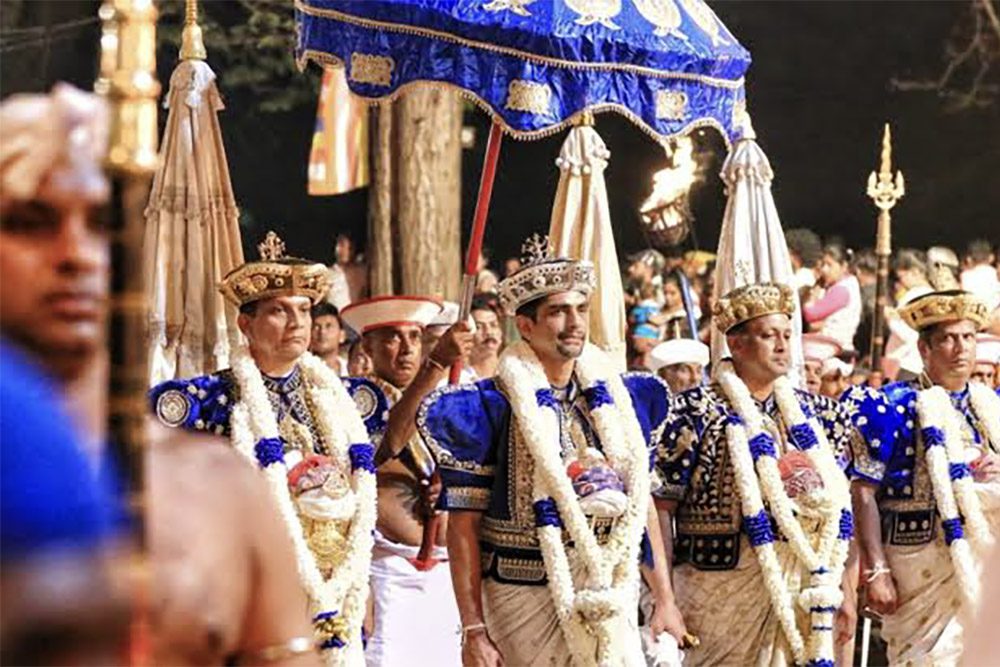
- Temple officials in ceremonial dress
- Beautifully decorated elephants wearing illuminated garments
- The ceremonial casket (Karanduwa) representing the Sacred Tooth Relic carried on the leading elephant
For many visitors, it is not simply a spectacle, but also a moving spiritual experience.
The 2026 Esala Perahera schedule
The 2026 Kandy Esala Perahera will take place from August 18 to August 28, 2026.
Here is the official schedule released by the Sri Dalada Maligawa (Temple of the Sacred Tooth Relic) broken down into three main phases:
Kumbal Perahera (August 18 – August 22)
The opening night processions, which build up in scale each consecutive evening:
- 1st Kumbal Perahera: August 18 at 06:50
- 2nd Kumbal Perahera: August 19 at 06:40
- 3rd Kumbal Perahera: August 20 at 06:50
- 4th Kumbal Perahera: August 21 at 06:40
- 5th Kumbal Perahera: August 22 at 06:40
Randoli Perahera (August 23 – August 27)
These are the most vibrant, grand processions featuring the full display of decorated elephants and performance troupes:
- 1st Randoli Perahera: August 23
- 2nd Randoli Perahera: August 24
- 3rd Randoli Perahera: August 25 at 06:50
- 4th Randoli Perahera: August 26 at 06:40
- Grand Randoli Procession (Finale): August 27 at 06:40
Closing Rituals (August 28)
- Diya Kepeema (Water Cutting Ceremony): Early morning on August 28 at the Mahaweli River.
- Dahawal Perahera (The Day Procession): The final daytime parade on August 28 at 14:00, marking the official end of the festival.
The final Randoli Perahera is the largest and most spectacular, but it is also by far the busiest evening of the festival.
Many travellers choose one of the earlier Randoli nights to enjoy virtually the same experience with slightly smaller crowds.
Why stay in Negombo
Many international flights arrive late at night or early in the morning after journeys lasting ten to fifteen hours.
Although Kandy is only about 120 kilometres away, the drive generally takes three to four hours depending on traffic and weather.
Rather than immediately beginning another lengthy journey, staying a night or two in Negombo offers several advantages.
- You can recover from jet lag before tackling winding mountain roads.
- You can enjoy a relaxed dinner and breakfast.
- You can visit Negombo’s beaches, lagoon, fish market or historic churches and temples.
- Most importantly, you begin your holiday refreshed rather than exhausted.
Many travellers find they enjoy Kandy—and indeed all of Sri Lanka—far more after allowing themselves time to recover from the jet lag of international travel.
Why return to Negombo after the Perahera?
The Esala Perahera is unforgettable, but it is also physically demanding.
Visitors often spend many hours waiting for the procession to begin before standing or sitting through several more hours of festivities amid large crowds.
Road closures, traffic congestion and late finishes are all part of the experience, and returning directly from Kandy to catch an international flight can be stressful.
Instead, spending another night or two in Negombo allows you to:
- Unwind after the crowds
- Enjoy a relaxing spa treatment
- Have one last seafood dinner
- Watch the sunset over the beach
- Do some last-minute shopping
- Arrive at the airport calm and well rested
- It provides a gentle ending to what is often one of the highlights of a Sri Lankan holiday.
Tips for first-time Perahera visitors
- Book accommodation in advance, especially if you plan to attend the final Randoli Perahera.
- Arrive at your viewing location early, as many streets close well before the procession begins.
- Dress modestly, as this is first and foremost a religious festival.
- Carry drinking water.
- Expect security checks.
- Photography is welcome, although flash should be avoided around elephants and performers.
- Expect road closures and significant traffic throughout central Kandy during the festival period.
Frequently asked questions
How far is Negombo from Kandy?
The journey is approximately 120 kilometres and usually takes between three and four hours by road, depending on traffic.
What is the significance of the Esala Perahera?
The festival honours the Sacred Tooth Relic of the Buddha while celebrating Sri Lanka’s Buddhist traditions and its historic guardian deities. It is regarded as the country’s most important religious procession.
When is the best night to attend?
The Grand Randoli Perahera attracts the largest crowds and is the most elaborate procession. Visitors seeking a balance between atmosphere and comfort often prefer one of the first three Randoli nights.
How long does the procession last?
Most evenings begin around sunset and continue for several hours. The exact duration varies depending on the night’s programme and weather conditions.
Is the Esala Perahera suitable for children?
Yes, although families should be prepared for long waiting times, large crowds and late finishes. Earlier procession nights are often more comfortable for young children.
Can I reserve seats?
Yes. Hotels, private viewing galleries and the Kandy Municipal Council offer reserved seating, while many local people simply watch from public areas along the route. Tickets should be booked well in advance for the busiest nights.
Why do so many visitors stay in Negombo?
Negombo is the closest major tourist town to Sri Lanka’s international airport. It offers beaches, restaurants, wellness facilities and convenient accommodation, making it an ideal place to recover both before travelling inland and after returning from Kandy.
Make your Sri Lankan experience even more memorable!
The Kandy Esala Perahera is far more than a tourist attraction. It is a living tradition that has inspired generations of Sri Lankans and captivated visitors from around the world.
By allowing yourself time to relax before and after the festival, you can experience both the excitement of Kandy and the peaceful coastal atmosphere of Negombo.
Instead of beginning your adventure exhausted—or ending it in a rush—you’ll have time to appreciate two very different sides of Sri Lanka: the spiritual grandeur of its hill capital and the hospitality of its Indian Ocean coast.
For many travellers, that simple decision transforms a memorable holiday into an unforgettable one.